Aviate, Navigate, Communicate!
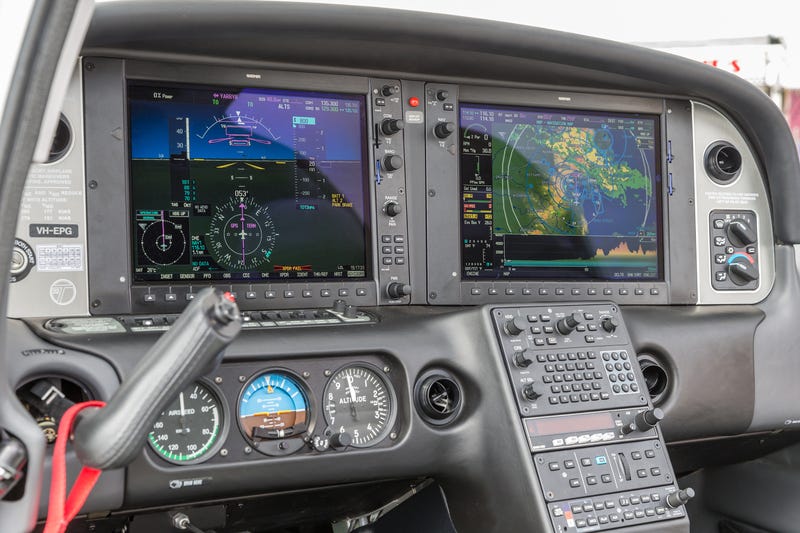
The classic role of the CEO is to define strategy and secure capital and people to execute that strategy. In practice, the role looks a lot like that of a pilot.
Pilots have a shorthand for always being aware of what one’s responsibility and priorities are in the cockpit: “Aviate, Navigate, Communicate!” Aviate, simply put, means fly the plane. This is the ‘we have one job!’ portion of the task of flying, or of leading. Our first priority is to operate our business — this is our first responsibility. However, we can’t do that one job, without the other bits.
Navigate, in the cockpit, means to be aware of the speed and heading required to reach one’s destination, and to maintain an ability to adapt to changing conditions on the fly (pun intended). A leader’s role in executing strategy is similar, in that no plan ever survives a meeting with the market intact. Both aeronautical and entrepreneurial navigation requires the ability to persist in safely reaching one’s destination, while making adaptations as required.
But by far the most under appreciated ability is the ability to communicate. Pilots are trained to communicate with air traffic control and other pilots, but the great ones know that although it may be mentioned third, after aviation and navigation skills, communicating is as important as leading or setting direction. Great pilots, and great leaders, communicate with a spirit of service and transparency, and in doing so they also make clear their ability to aviate and navigate. Conversely, those who do not see it as necessary to be good at communication, often turn out to be weak at aviating and navigating as well.
So remember to Aviate, Navigate, Communicate, but not necessarily always in that order!
Eyes on, leaders!